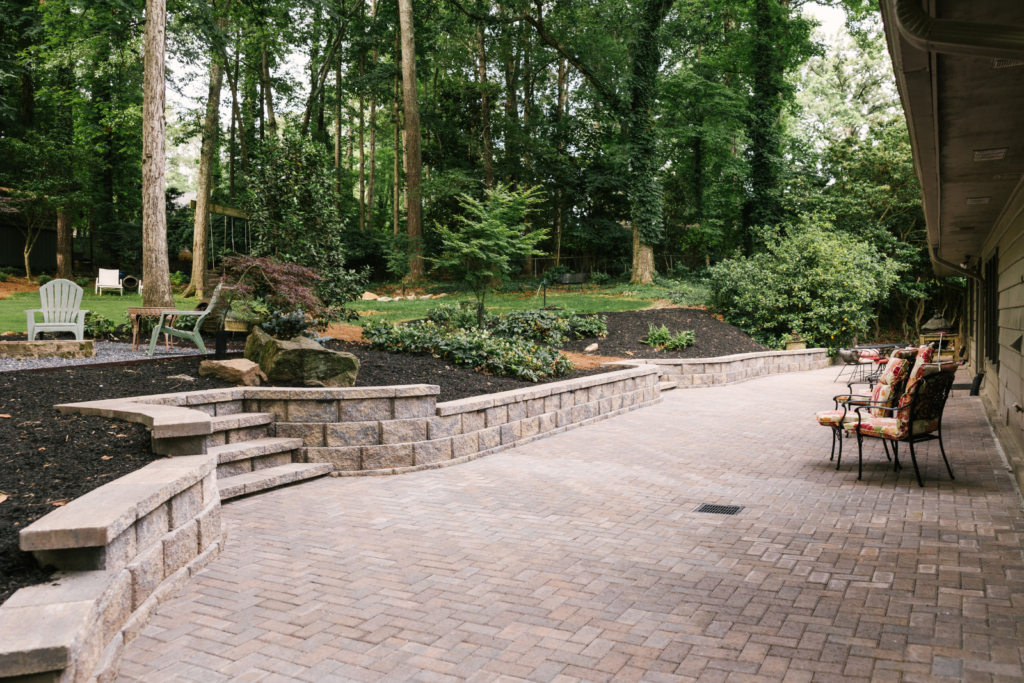
If you’re thinking about adding a patio to your backyard, pavers are one of the most versatile ways to create a comfortable outdoor space that looks polished and fits naturally into your landscape. From a simple space for weekend grilling to a larger outdoor entertaining area, a well-designed paver patio can make your backyard more functional and enjoyable.
For homeowners considering paver patio installation in Atlanta, GA, there are a few important things to think about before getting started. The size of your patio, the type of pavers you choose, the condition of your yard, drainage, site preparation, and overall design can all affect the final project.
At A Abby Group, we help homeowners throughout Metro Atlanta create outdoor spaces that are designed around their property, lifestyle, and long-term goals. Here’s what you should know before planning your paver patio.
How Much Does Paver Patio Installation Cost in Atlanta?
The cost of a paver patio can vary significantly from one property to another. There isn’t a single price that applies to every project because several factors influence the total investment.
Some of the biggest factors include:
- Patio size: Larger patios require more materials, labor, and site preparation.
- Paver selection: Pavers are available in different materials, styles, colors, sizes, and patterns.
- Ground preparation: Existing grass, uneven ground, old concrete, roots, or other site conditions may require additional preparation.
- Drainage: Proper drainage is especially important when designing outdoor spaces in the Atlanta area.
- Design complexity: Curves, borders, steps, retaining walls, and multiple patio levels can add to the scope of a project.
- Additional features: Outdoor lighting, seating areas, fire features, landscaping, and other upgrades can increase the overall project cost.
Because every property is different, the best way to understand what your patio project will cost is to have the site evaluated and discuss your goals with a professional landscaping team.
Why Choose Pavers for Your Atlanta Patio?
Pavers offer homeowners a combination of durability, design flexibility, and visual appeal.
Unlike a basic poured concrete patio, pavers can be arranged in a variety of patterns and can be incorporated into a larger landscape design. They can also help define different areas of your backyard without making the space feel disconnected from the rest of the property.
For Metro Atlanta homeowners, a paver patio can be a practical addition for creating space for:
- Outdoor dining
- Grilling and entertaining
- Patio furniture
- Fire pits or gathering areas
- Outdoor kitchens
- Poolside seating
- Relaxing with family and friends
The right patio design should feel like a natural extension of your home rather than an area that was simply added to the yard.
Paver Patio Design Ideas for Metro Atlanta Homes
One of the best parts of planning a paver patio is having the ability to customize the design around your home.
Create a Dedicated Outdoor Dining Area
If you enjoy hosting family and friends, consider designing a patio large enough for a dining table and comfortable seating. A defined dining area can make outdoor meals more convenient while giving your backyard a more intentional layout.
Add a Fire Pit Gathering Space
A paver patio can provide an ideal foundation for a fire pit area. Consider creating a circular or defined seating space where family and guests can gather in the evenings.
Combine Pavers With Landscaping
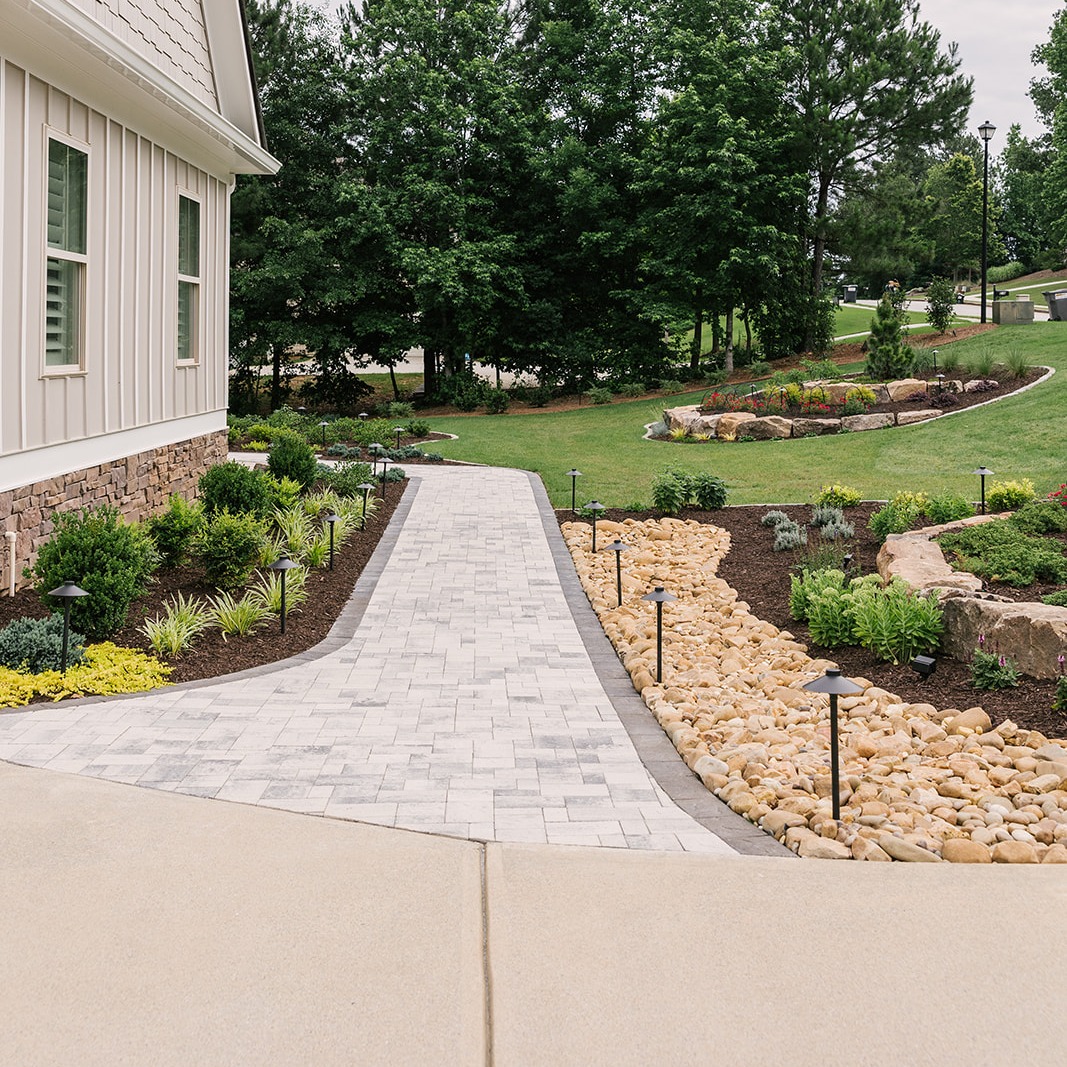
Pavers don’t have to stand alone. Incorporating landscape beds, shrubs, trees, or seasonal color around the patio can soften the hardscape and help it blend into the surrounding yard.
Use Borders and Patterns
Contrasting pavers or decorative borders can add visual interest without overwhelming the design. Different patterns can also help define individual areas of a larger patio.
Build Around an Existing Feature
If your backyard already has a retaining wall, outdoor kitchen, pool, fire feature, or another landscape element, your patio can be designed around it. This creates a more cohesive outdoor space and makes better use of the existing property.
What to Expect During Paver Patio Installation
Understanding the installation process can make planning your project easier.
Step 1: Evaluate the Property
The first step is looking at the space where the patio will be installed. A professional should consider the size and layout of the area, existing landscaping, access to the property, grading, drainage, and the condition of the ground.
Atlanta-area properties can have challenging grades, heavy rain, and red clay soil, making proper site evaluation particularly important.
Step 2: Plan the Design
Once the site has been evaluated, you can determine the patio’s size, shape, layout, materials, and overall style.
This is also the time to think about how you plan to use the space. A patio designed primarily for dining may have different dimensions and features than one intended for lounging or entertaining.
Step 3: Prepare the Site
Proper preparation is one of the most important parts of a successful paver installation.
The area may need to be cleared, excavated, graded, and prepared with the appropriate base materials. Proper preparation helps create a stable foundation and supports long-term performance.
Step 4: Install the Pavers
Once the foundation has been properly prepared, the pavers can be installed according to the selected design. Edging and joint materials help keep the installation secure and maintain the intended layout.
Step 5: Complete the Surrounding Landscape
The final step is making sure the new patio works with the rest of your landscape. Depending on the project, this may include planting, landscape beds, lighting, irrigation, drainage improvements, or other outdoor features.
The goal is a finished space that looks connected to the property as a whole.
Don’t Overlook Drainage
Drainage should be part of the conversation from the beginning of any patio project.
Metro Atlanta receives substantial rainfall throughout the year, and poorly managed water can create problems for both hardscapes and surrounding landscaping. Water that collects around a patio can contribute to erosion, muddy areas, shifting materials, or damage to nearby landscape features.
A properly planned patio should account for grading and water movement so that rainwater is directed away from areas where it can cause problems.
If your property already has drainage concerns, addressing them before or as part of the patio project can help protect your investment.
Should Your Patio Match Your Home?
Your patio doesn’t necessarily need to match your home’s exterior exactly, but it should complement it.
Consider the architecture, exterior colors, existing walkways, landscaping, and other hardscape elements when choosing your pavers. A modern home may benefit from clean lines and larger-format pavers, while a more traditional property may work well with classic patterns and natural-looking materials.
The best designs feel intentional without looking overly complicated.
When Is the Best Time to Install a Paver Patio in Atlanta?
Paver patio installation can be planned around many different times of the year, but weather and site conditions should always be considered when scheduling the work.
Planning ahead can also give you more time to finalize the design, select materials, coordinate additional landscaping, and prepare the space before you want to start using it.
If you’re hoping to have your patio ready for spring or summer entertaining, starting the planning process early can help give your project enough time to come together properly.
Is a Paver Patio Worth the Investment?
For many homeowners, the value of a patio goes beyond the appearance of the backyard.
A thoughtfully designed patio can create usable outdoor space where there previously wasn’t much functionality. Instead of having an unused section of lawn, you can have a defined area for dining, relaxing, entertaining, or enjoying time outside.
The key is making sure the patio is designed for the way you actually use your home.
A smaller, well-planned patio can often be more useful than a much larger space that doesn’t fit the property’s layout or your lifestyle.
Planning Your Paver Patio in Metro Atlanta
A new patio is more than choosing a paver color and deciding where to put it. The most successful projects consider the property as a whole, including grading, drainage, landscaping, access, existing features, and how you want to use the space.
At A Abby Group, our team provides residential landscaping and hardscape services designed around the needs of Metro Atlanta homeowners. With more than 40 years of landscaping experience, we can help bring the different elements of your outdoor project together with thoughtful planning and quality installation.
Whether you’re envisioning a comfortable backyard gathering space, an outdoor dining area, or a larger landscape transformation, the right patio design can make your outdoor space more enjoyable for years to come.
Ready to start planning your patio? Contact A Abby Group to schedule a free estimate and discuss your paver patio project in Metro Atlanta.